

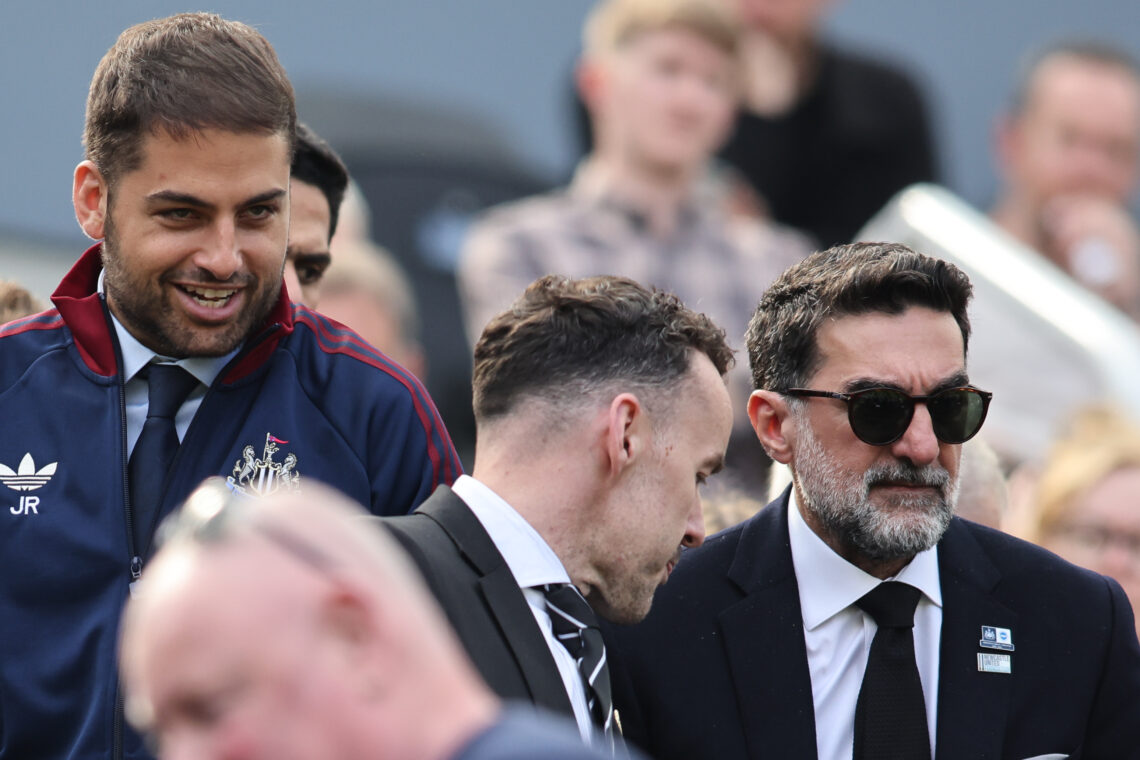


Newcastle United CEO David Hopkinson wants the club to be challenging for the Premier League title by 2030. But that will require the full backing of PIF, who are ruthlessly recalibrating their trillion-dollar business portfolio.
Officially, the word from the Public Investment Fund is that they remain fully committed. Given that they have invested nearly £815m – through the initial purchase price and subsequent capital injections – since their 2021 takeover, it is hard to argue with them. On first inspection, at least.
But there have been rumblings that PIF is not as hot on sport as it once was. The withdrawal of funding for LIV Golf is the most prominent example, while Newcastle chairman and PIF governor Yasir Al-Rumayyan has also announced that the sovereign wealth fund is scaling back investment abroad and aiming to secure more private financing for its giga-projects at home.
Naturally, with Eddie Howe’s side in 13th place in the Premier League with two games (against West Ham and Fulham) to go, there are questions on the terraces about PIF’s grand vision in football.
Do you still have faith in PIF at Newcastle?! 🤔
Let us know why in the comments 👇
The Saudi Pro League, however, seemingly still has its full attention, with the league announcing a new plan to continue to attract top talent to Saudi Arabia while also steering Pro League clubs towards commercially-focused decision making. Reportedly, that plan includes about $2bn in central funds for player investments.
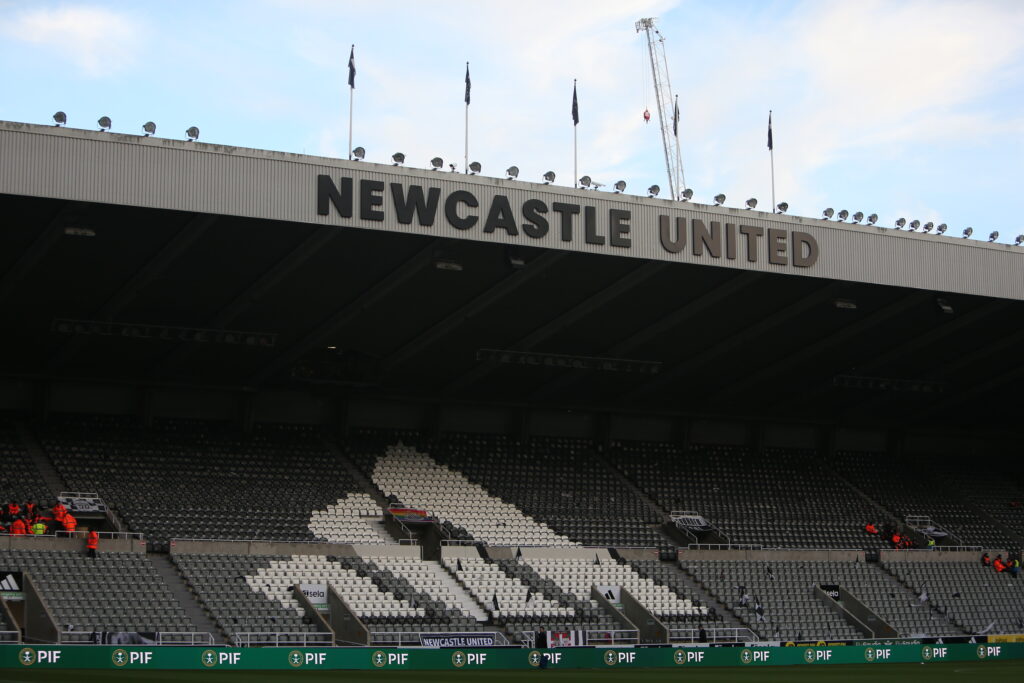
Newcastle fans may notice that is roughly equivalent to what it might cost to expand St James’ Park or, as looks more likely, build a new stadium in a similar city-centre location. PIF, of course, are no strangers to colossal infrastructure projects – and yet, progress in that department has been glacial.
“Newcastle are basically like an airplane trying to land at Heathrow but there are 30 airplanes ahead of it, so they are just circling,” University of Liverpool football finance lecturer Kieran Maguire said in exclusive conversation with Geordie Boot Boys. “It is frustrating for Newcastle fans, who want certainty.”
Speaking at industry event SportsPro London last week, Hopkinson made it clear that there is no lack of ambition in his office, especially when it comes to the stadium. “We need more capacity to drive revenue,” he said plainly. “We have world class ambitions, and we need world class infrastructure to support it.”
For Maguire, the stadium question has become something of a litmus test for PIF’s true intentions. “If a new stadium does get built, that’s a big sign of commitment,” he says. “Equally, the longer it drags on, the more concerns among the fanbase will increase. It could also be that PIF have realised the hard limitations of PSR – and they may not see a solution to that, which would make them reluctant to commit.”
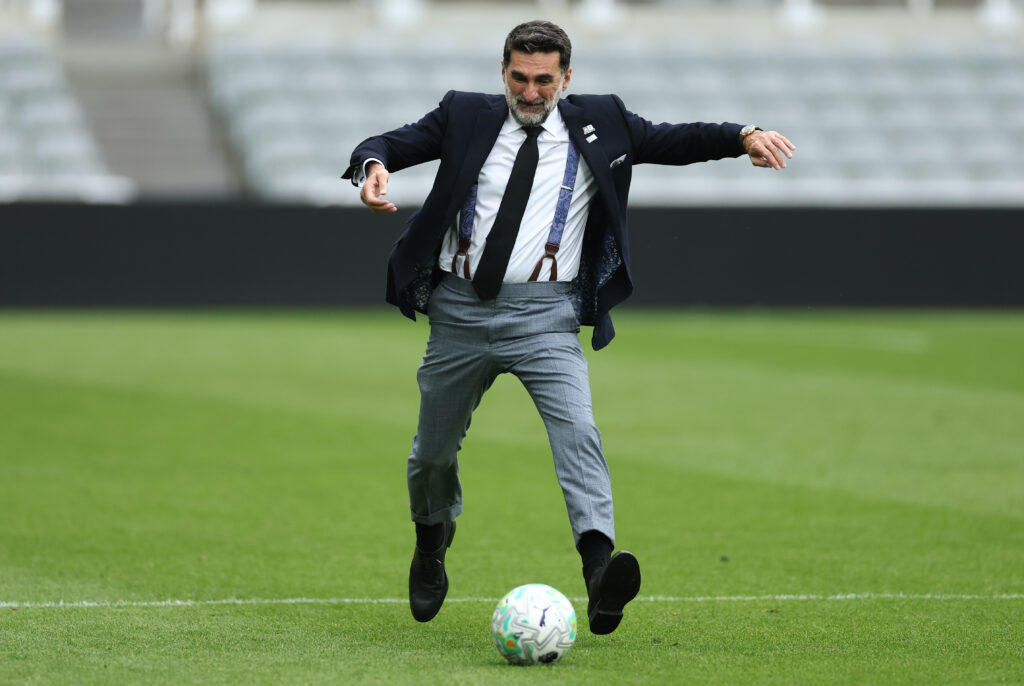
So what is the plan? In the absence of truly free spending, Hopkinson has turned his attention to the one thing Newcastle can actually control: their own commercial operation. And by his own admission, it’s been leaving serious money on the table. The club posted a record £335.3 million in revenue last season and, with a huge helping hand from the sale of St James’ Park to PIF in order to artificially boost their PSR standing, their first profit since the takeover.
But Hopkinson reckons there’s another £100 million sitting there, waiting to be unlocked. “We haven’t got a car sponsor today,” he said. “We should have one of those. We don’t have an insurance sponsor. We should have one of those too.”
Next season, the old nemesis, PSR, fades away. In its place, SCR, or Squad Cost Ratio rules, under which Newcastle will be allowed to spend 85 per cent of revenue plus a three-year average on player sale profits on first team wages and transfer costs, with flexibility to exceed the cap if compensated for in future seasons.
Most experts canvassed by Geordie Boot Boys think SCR will favour Newcastle far more than PSR, given that they have one of the highest revenue ceilings outside the so-called Big Six in the Premier League. However, it is still a hard limit on how much they can spend – and that hard limit remains much lower than the Premier League orthodoxy they want to topple.
So how do they bridge that gap? “I think we can catch them by being disciplined, by being diligent and making sure we’ve got the right performance framework. We’re measuring the things that matter every single day and delivering on our objectives,” Hopkinson told the conference.
Rate PIF’s ownership of Newcastle so far out of five
“We’ve got to be looking for those opportunities in the marketplace where we think we can acquire players early in their career, or where we think there’s a value gap – and what we cannot do is overpay. We [have to] put the right culture in place and make deliberate, strategic choices and trade offs.”
It’s measured, considered language, the kind you’d more naturally associate with Tony Bloom’s Brighton than the free-spending chaos that defined Roman Abramovich’s Chelsea or the early years of the Abu Dhabi project at Manchester City.
Maguire sees the comparison too, but he’s quick to flag why it’s not a straightforward copy-and-paste job. “The Brightons, Bournemouths and Brentfords of this world have to operate how they do out of necessity,” he says. “Their fans recognise that they have relatively limited resources, so there is patience among supporters. At Newcastle, there is a degree of impatience, which changes the dynamic between the board and fans.”
Receive a digest of our best Newcastle content each week direct to your mailbox


