

The Premier League’s Profit and Sustainability Rules have been the antagonist in Newcastle United’s story since the Saudi Public Investment Fund’s takeover in October 2021.
In the Mike Ashley era, PSR was never a concern. Across the retail tycoon’s 14 seasons at St James’ Park, Newcastle more or less broke even, which meant they never came close to exceeding the Premier League’s maximum allowable loss of £105m over three years, even before adding back allowable spend like investment in the women’s team, infrastructure and academy.
But PIF arrived on Tyneside with the mission statement to spend the maximum allowed under PSR in order to deliver glory on the pitch. One League Cup trophy and two Champions League qualifications later, it’s fair to say that they have delivered.
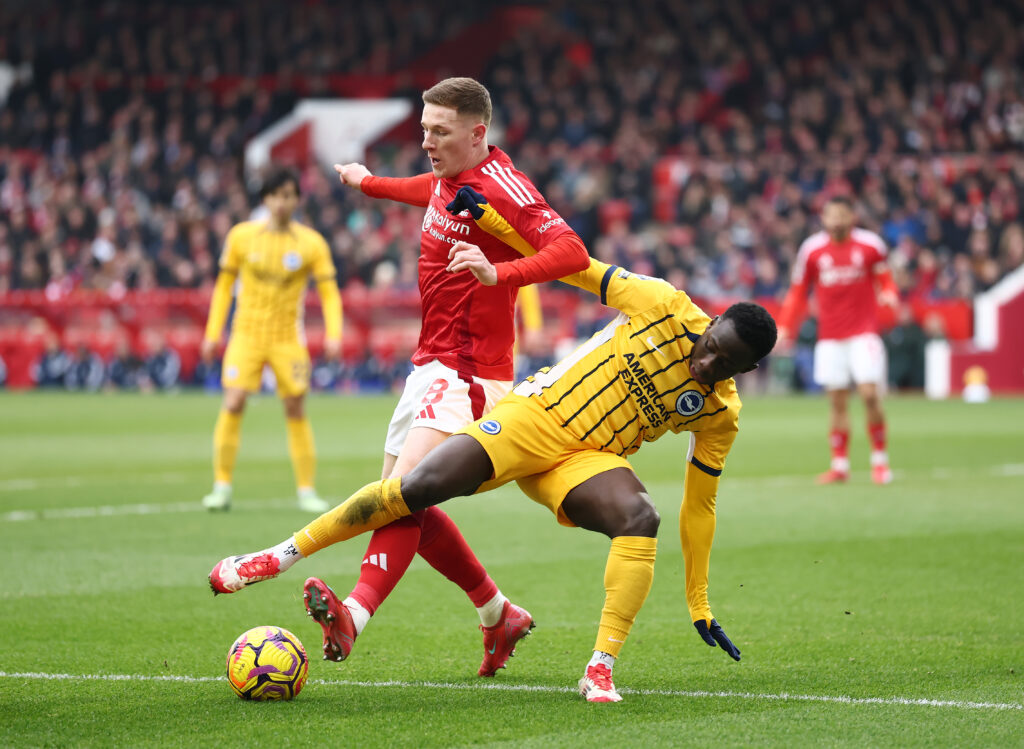
Newcastle came closest to breaching the spending rules in the 2023-24 season. They were forced to jettison Elliott Anderson and Yankuba Minteh before the assessment window rolled over in July last year in order to get within the threshold.
There has been frustration in some quarters of the fanbase, however, that the Magpies have not perhaps been as creative as they could have been to circumvent the regulations.
Chelsea, for instance, used ultra-long term contracts in part as a measure to spread a player’s amortised transfer fee over a longer period, giving them more headroom to spend in the short term. That particular loophole has now been closed by the Premier League, but there are other workarounds too.
Chelsea, Aston Villa and Everton have also sold either tangible assets (such as property – two hotels at Stamford Bridge, in Chelsea’s case) or their women’s teams to other companies in their corporate structures in order to register an artificial profit. And that loophole remains open.
Newcastle can take advantage of Chelsea-style PSR loophole
On Friday last week, Premier League clubs voted to introduce a new set of spending rules.
From 2026-27, clubs will be subject to new Squad Cost Ratio (SCR) and Sustainability and Systematic Resilience (SSR) systems.
A third proposal, top-to-bottom anchoring, which would have tied spending to a multiple of what the Premier League’s bottom-placed club earns in domestic TV money, was rejected.

SSR, which broadly focuses on liquidity, should not be a problem for Newcastle, whose owners are willing to invest significantly to meet cash flow requirements.
SCR could be more tricky, but the caveat here is that – in seasons when Eddie Howe’s side are in Europe – they are already required to comply with a similar system implemented by UEFA.
Under the Premier League’s system, Newcastle can spend no more than 85 per cent of their revenue plus a three-year average on player sale profits on first-team wages and transfer costs. At European level, the cap is 70 per cent.
“From a compliance cost perspective, Newcastle have to abide by the Squad Cost Ratio as long as they are in Europe, so you can pretty much send exactly the same document to the Premier League,” says Liverpool University football finance lecturer Kieran Maguire, speaking exclusively to Geordie Boot Boys.

“I think that’s why they were probably quite neutral in the Premier League vote.”
Newcastle voted in favour of the new SCR system, which passed with 13 in favour and six against. There was one abstention. Bournemouth, Brighton, Brentford, Crystal Palace, Fulham and Leeds United were the dissenting voices – and if one more had joined their ranks, it would have acted as a veto.
“You have to be practical at Premier League shareholders’ meetings when it comes to voting,” says Maguire.
“The position of the PFA was not necessarily in favour of PSR, but it wasn’t as opposed to it as it was to anchoring. That was a significant factor.”
So, from next season, Newcastle’s challenge to comply with financial rules will evolve.
But, in theory, they can still take advantage of the loopholes baked into the existing PSR system this season. The club’s latest accounts, for example, show that they have £148.5m of intangible assets on the books which – like Chelsea – they could still sell to themselves to create artificial profit.
Rate PIF’s ownership of Newcastle so far out of five
That £148.5m represents the book value of the assets, not their real-world value. Any sale would be assessed by the Premier League for fair market value, but any sales in excess of the book value of an asset constitutes a profit and can unlock more headroom.
Of course, Newcastle would only have one transfer window to really take advantage. And even then, any artificial profit that they reinvested in players would count towards their SCR calculation from 2026-27. But it is conceivable that clubs close to the £105m limit could take advantage.
After the sale of Alexander Isak and a modest profit in 2023-24, Newcastle are in a strong place as far as PSR is concerned. But the club will swing to a loss once the accounts are released in 2023-24, and if this season somehow goes badly wrong, the intangible assets could provide some grace.
It’s an academic point, mostly, but one which further hammers home the point that PSR was broken until the very end.
Receive a digest of our best Newcastle content each week direct to your mailbox